
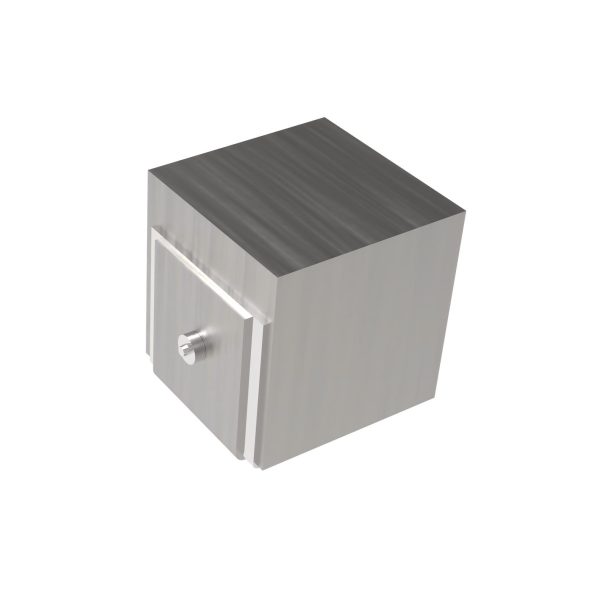
100 V / 22 uF CAK38M High-Temperature (200°C) Non-Solid Electrolyte Tantalum Capacitor

CAK38M-100-22-M-C
Rated Voltage (Ur): 100 V
Derated Voltage (200°C): 60.0 V
Capacitance (CR): 22 uF
Capacitance Tolerance: +/-20% (Code M)
Case Code: C
Operating Temperature: -55 to +200°C
(derate above 85°C)
- Description
- Datasheet
- Outline
- Reviews (0)
Description
The CAK38M-100-22-M-C is a high-temperature (200°C) non-solid electrolyte tantalum capacitor rated at 100 V and 22 uF with tolerance code M (+/-20%). It features a metal case with hermetic sealing and polarized design. The capacitor offers stable electrical performance, high reliability, and high energy density per volume. It supports frequent charge/discharge cycles and operates from -55°C to +200°C with voltage derating required above 85°C. This capacitor is suitable for high-temperature energy storage applications and can be used in DC, pulse and low-frequency circuits in high-reliability systems.
CAK38M-100-22-M-C |
|
|
100 V / 22 uF CAK38M High-Temperature (200°C) Non-Solid Electrolyte Tantalum Capacitor |
|
Property |
Value |
|
Rated Voltage (Ur)(V) |
100 |
|
Derated Voltage (200degC)(V) |
65 |
|
Capacitance (CR)(uf) |
22 |
|
Max. DC Leakage (25degC)(uA) |
5 |
|
Max. DC Leakage Current (85degC/200degC)(uA) |
25 |
|
Max. ESR (100 Hz @ -55C)(Ohm) |
3.5 |
|
Max. Ripple Current (85C/40kHz)(mA) |
1200 |
|
Capacitance Change (-55degC/85degC/200degC) |
-20 / 15 / 16 |
|
Capacitance Tolerance |
M: +/-20% |
|
Dimensions |
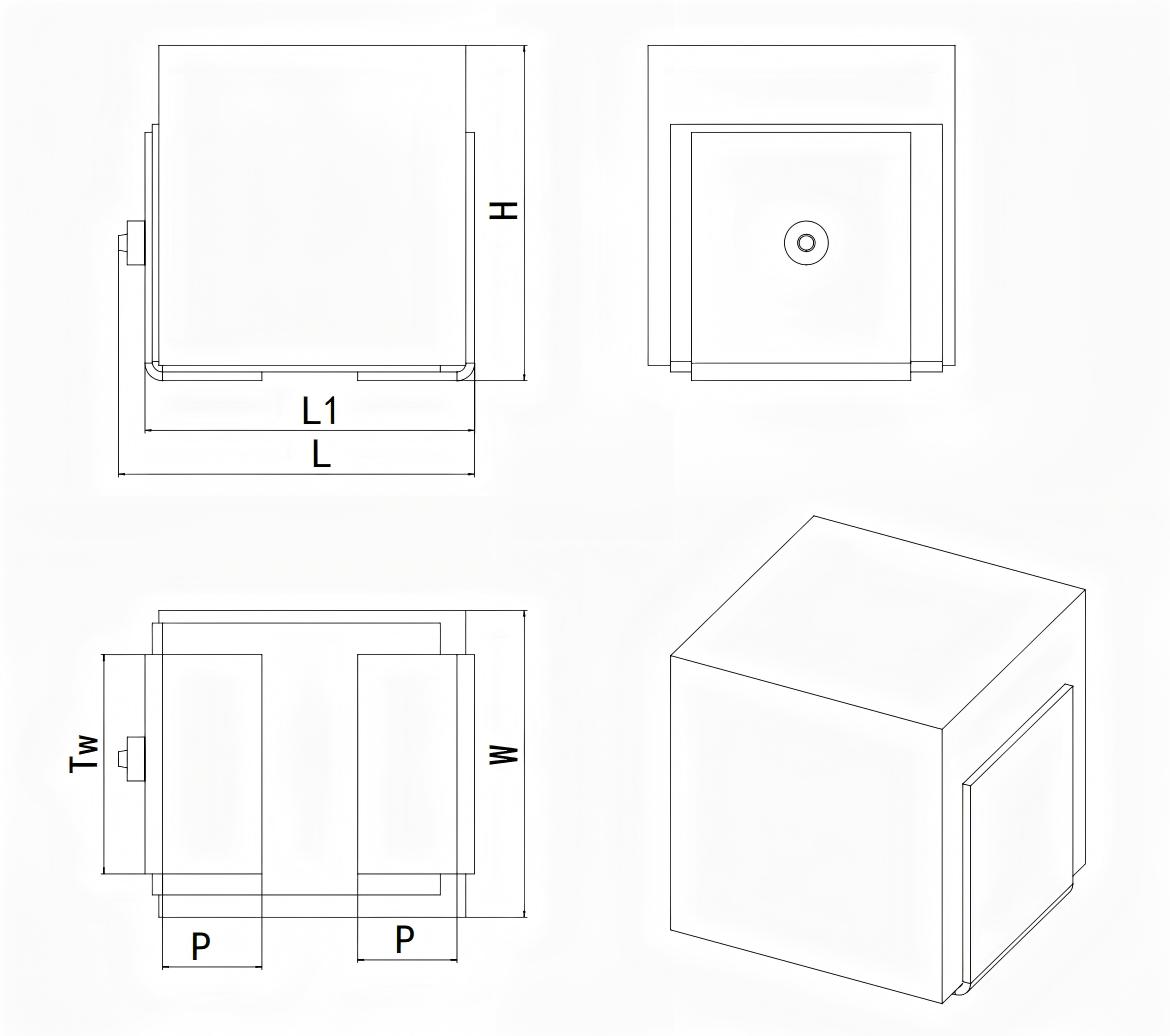
Lmax 8.5, L1 7.8+/-0.2, W 7.0+/-0.2, H 7.5+/-0.2, P 2.5+/-0.2, Tw 5.0+/-0.2 (mm) |
|
Operational Temperature (°C) |
-55 to +200 |
|
Storage Life |
<=18 months from warehouse entry |
|
Storage Conditions |
RH <=70% |
Features |
|
|
Superior Electrical Stability |
|
|
Compact Design |
|
|
High Reliability |
|
|
Long-Lasting Service Life |
|
|
Excellent Shelf-Stability |
|
Applications |
|
|
For High-reliability military electronic equipment used in aviation,aerospace, weapons, satellites, radar, and other applications, where DC, pulsating, and low ripple circuits are required. |
|
Reviews
There are no reviews yet.