Differences Between a Directional Antenna and an Omni Antenna

Understanding the Basics of Antennas
What Is a Directional Antenna?
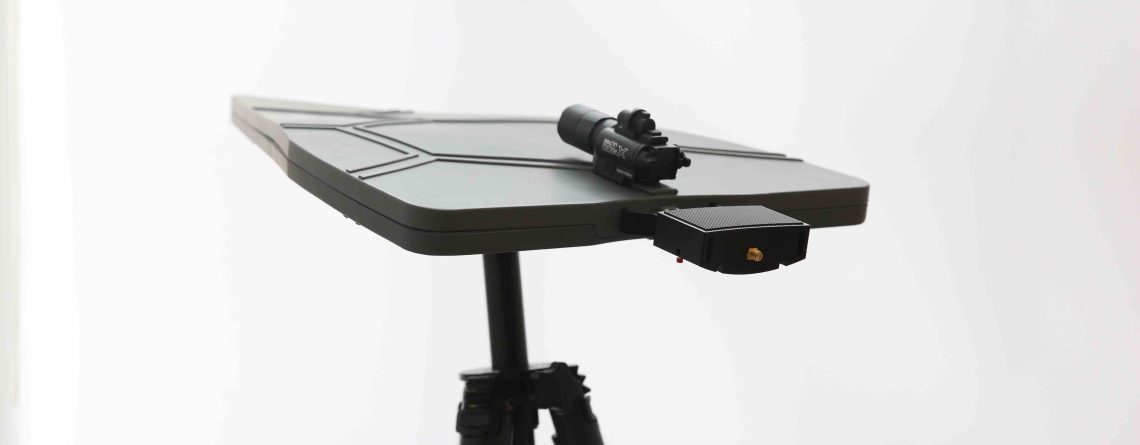
A directional antenna sends or receive signals in one main direction. This tight aim makes the signal stronger and lets it travel farther in that path, which is great for connecting to a specific point when you know where the signal comes from. For example, an RF horn antenna is built for high power and sharp focus.
This gives you the advantages like easy use, strong performance, clear targeting, and handling big power loads. These qualities make an RF directional antenna super useful for things like TV signals, 4G LTE networks, or safety systems.
What Is an Omni Antenna?
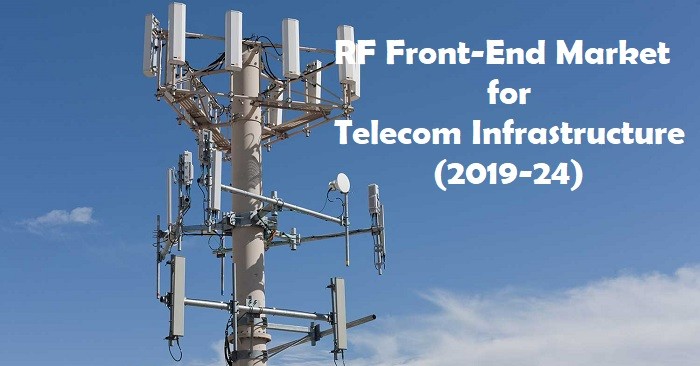
An omni antenna, on the other hand, sends or picks up signals evenly all around in a flat circle. This wide, 360-degree reach works well when you need to connect to devices in many directions. Plus, these antennas are simple to set up. They don’t need exact pointing like directional ones do.
Omni antennas are common in places where you want signal coverage across many rooms, like in Wi-Fi routers or mobile network stations.
Key Differences Between Directional and Omni Antennas
Signal Coverage and Range
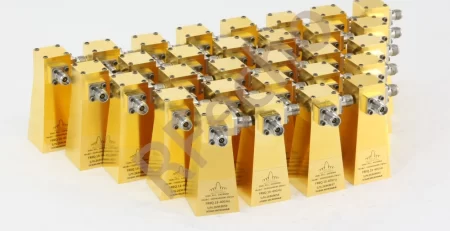
The biggest difference is how these antennas spread their signals. A directional antenna pushes radio energy into one path. This boosts power and distance. For instance, the Broadband dual ridged horn antenna has a very low VSWR in its minor frequency range and covers a wide bandwidth. Its growing strength at higher frequencies helps balance out cable losses.
So, directional antennas are awesome for long-distance links to a fixed spot. But an omnidirectional antenna spreads its signal all around. This lowers its reach but covers a bigger area.
Ease of Installation and Placement
Omni antennas are easy to get going. You don’t need to aim them carefully. They’re ready to use right away and give a steady signal strength around them. Directional antennas, though, need you to point them right at the signal source. This takes time but gives better results.
Interference and Signal Clarity
A directional antenna offers clearer signals. Its narrow focus cuts down on noise from other sources. This makes an RF directional antenna perfect for spots with lots of signal clutter.
Its high power and low VSWR let it pick up weak signals and create strong fields without much loss. Omni antennas, however, grab signals from every direction. This makes them more likely to pick up unwanted noise.

When to Choose a Directional Antenna
Ideal Scenarios for an RF Directional Antenna
A directional antenna is best for homes far from cell towers or Wi-Fi sources. If you need to pull a signal from one specific place—like a far-off cell tower or an outdoor Wi-Fi hotspot—then a directional antenna is your best bet.
The OBH-1020-15 is a handy tool for many jobs. Its lower frequency range is great for TV broadcasting, handling UHF/VHF signals used in over-the-air TV. These features make it a solid choice for home setups that need strong signals from one source.
Benefits of Using a Directional Antenna Indoors
Inside your home, a directional antenna can really boost signal strength in weak spots. Point it toward the signal source, like a window facing a cell tower. This can mean faster internet and fewer dropped connections.
The Broadband Dual-Ridged Horn Antenna is made for advanced tasks like telecommunications, satellites, radar, and high-frequency RF testing. While it’s often used in pro settings, smaller versions work great in homes too.
When an Omni Antenna Makes More Sense
Best Situations for Omni Coverage
Explaining it with some basic life example, if you want Wi-Fi to reach multiple rooms or floors without worrying about pointing the antenna, an omni antenna is the way to go. It’s ideal for homes where devices are spread out in different spots.
For example, if you’ve got smartphones, smart TVs, and laptops in various rooms, an omni antenna makes sure they all get a steady signal.
Pros of Using an Omni Over a Directional Option
The top advantage of an omni antenna is how simple it is. You don’t need to aim or adjust it. Just set it up, and it’s good to go. It gives solid coverage for everyday needs and works well in open spaces or homes with thin walls.
While it might not have the range or clarity of a directional antenna, its ease and flexibility often make it the better pick for regular use.

Factors to Consider Before Deciding
Location of Signal Source (e.g., Cell Tower or Router)
Knowing where your signal comes from is super important. If it’s far away or in one fixed spot, a directional antenna is the smarter choice. The specially designed taper for the ridges in the horn keeps impedance smooth, which improves performance.
But if you’re in a city with multiple towers or need signals from different angles, an omni antenna is more practical.
Obstacles and Building Layout
Walls, metal objects, and big furniture can block signals. Directional antennas deal with this better by pushing energy through obstacles. They work better than omni antennas in tough setups.
However, if your home is open or you use a mesh network, an omni antenna is usually enough and easier to place.
Desired Signal Strength and Stability
Directional antennas often give stronger, steadier signals because of their focused beam. Gain: 15dBi Max. at higher frequencies makes them great for fast data or low-delay connections. Omni antennas might have up-and-down performance, depending on your home’s layout and nearby interference.
Simple Tips for Better Home Signal Performance
Positioning Your Antenna Correctly
No matter which antenna you choose, where you put it matters. For directional antennas, aim them right at the signal source. For omni antennas, place them high up and in the middle of your home. This helps spread the signal as far as possible.
Using Signal Boosters with Your Setup
Signal boosters can team up with both omni and directional antennas to make signals even better. They strengthen weak signals before sending them through your home’s network.
When paired with a high-gain RF directional antenna like the OBH-20320 Broadband dual ridged horn antenna, boosters can really improve long-distance signals. Its wide frequency range also works for microwave and millimeter-wave testing, keeping signals strong and clear.
FAQ
Q: How do I know if I need a directional or omnidirectional antenna?
A: Pick a directional antenna if your signal source is far and fixed, like a cell tower. Choose Omni for nearby devices in different directions.
Q: Are RF directional antennas only for professionals?
A: Nope. While they’re used in labs and industries, smaller versions are great for homes too.
Q: Will walls affect my signal strength?
A: Yes. Things like concrete or metal can weaken signals. Directional antennas are better at pushing through these barriers.