What Is Microwave Antenna? Secrets Behind Your Wi-Fi and More
 Ever think about how your favorite TV programs, phone calls, or speedy Wi-Fi really work? Let’s put the focus on microwave antennas, the hidden stars behind these daily wonders! These products are made for sending and receiving microwave signals, making them super important for different purposes like TV broadcasting, cell networks, and satellite links. They operate at frequencies from 1 GHz to 100 GHz. This makes them great for fast data sending and hitting exact signal location. From powering your home Wi-Fi router to helping big industries with radar and telemetry systems, microwave antennas are the backbones! Horn antennas, with their simple shape and strong gain, used in radar and satellite systems, while curvy parabolic reflectors are awesome for far-away chats. Designer and manufacturers put tons of effort into building these antennas, using high quality materials like copper and smart tricks like gold plating to ensure they work perfectly. Want to know what makes these antennas so special, how they’re crafted, or why gain is such an important requirement?
All About Microwave Antennas
What is a Microwave Antenna?
Microwave antennas are products built to send and grab microwave signals. These tools are really important for lots of systems, like TV shows, cell phone networks, and satellite connections. They work at frequencies from 1 GHz to 100 GHz. That makes them awesome for quick data sending and pinpointing exact signal locations.
 Microwave antennas have a bunch of great traits that help them do their job well. They form radio waves into a narrow beam. This is super key for chatting over far distances. That tight beam stops signal mix-ups and boosts the signal’s power. Also, many antennas use dual-polarization.
Types and Uses of Microwave Antennas
Awesome Antenna Types in Action
A few types of microwave antennas get used a lot:
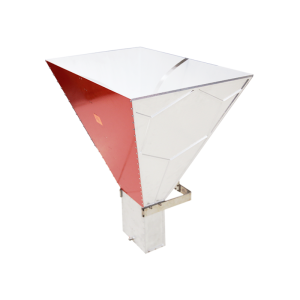
- Horn Antennas: People love their easy shape and big gain. They’re often picked for radar and satellite systems.
- Parabolic Reflector Antennas: These have a curvy, dish-like part that pulls signals into a slim beam. They’re great for long-distance talks.
- Patch Antennas: Tiny and light, patch antennas pop up in phones and wireless setups.
From Everyday Gadgets to Big Industry Wins
Microwave antennas are a big deal in daily life and big industries. In stuff we use every day, they make wireless internet work in Wi-Fi routers and Bluetooth gadgets. In factories or huge projects, they’re super helpful for telemetry systems, electronic countermeasures, radar, and satellite positioning. Things like remote controls, telemetry, electronic countermeasures, electronic spying, and data connections depend on them. For example, the Ultra wide-band dual ridged horn antenna, working at 11-26.5GHz, is perfect for testing new wireless tech.
What Microwave Antenna Makers Are Up To
Crafting and Designing Super Antennas
Microwave antenna makers put their hearts into building and shaping antennas for specific tasks. They create test models that fit exact needs for frequency range, gain, polarization, and power handling. They’re experts at making top-notch antennas, like standard gain horns and reflector antennas. Their know-how makes sure the antennas work just right.
How They Build Antennas with Cool Materials
Building microwave antennas takes careful effort with materials like copper or aluminum. These metals carry signals really well and are light enough to set up easily. Makers also use clever tricks, like gold plating, to improve stuff like VSWR (Voltage Standing Wave Ratio) and impedance matching. This helps antennas work even better.
Making Antennas Fit Just Right
Customization is a giant part of antenna making. Makers adjust designs to match special jobs, like for the military or TV shows. They tweak things like waveguide size or beam width. That way, the antenna works great, no matter the weather or where it’s used.
 Why Antenna Gain Is Important
How Gain Powers Up Performance
Antenna gain tells us how well an antenna turns power into radio waves in one direction. High-gain antennas send signals farther with clearer results. They focus energy better than low-gain ones. This is really important for things like radar or satellite connections, where hitting the exact spot matters a ton.
Picking the Perfect Gain for your solution
Choosing the right gain is super important to make an antenna work well for its task. High-gain antennas are awesome for long-distance connections, where signals might get weak over big distances. But low-gain antennas are good for short-range things, like local Wi-Fi networks. In those cases, coverage is small, but steady signals are a must.
FAQ
Q: What is microwave antenna gain?
A: Microwave antenna gain shows how well an antenna sends power as radio waves in one direction.
Q: How do manufacturers customize microwave antennas?
A: Makers tweak things like waveguide size or beam width. This helps antennas fit the needs of different tasks.
Q: Why are horn antennas popular?
A: Horn antennas are liked because they’re simple to make and have big gain. That makes them awesome for radar and satellite systems.
Q: Can microwave antennas be used in everyday applications?
A: Totally! Microwave antennas help with everyday tech, like Wi-Fi routers and Bluetooth gadgets. They make signals move smoothly over short distances.